
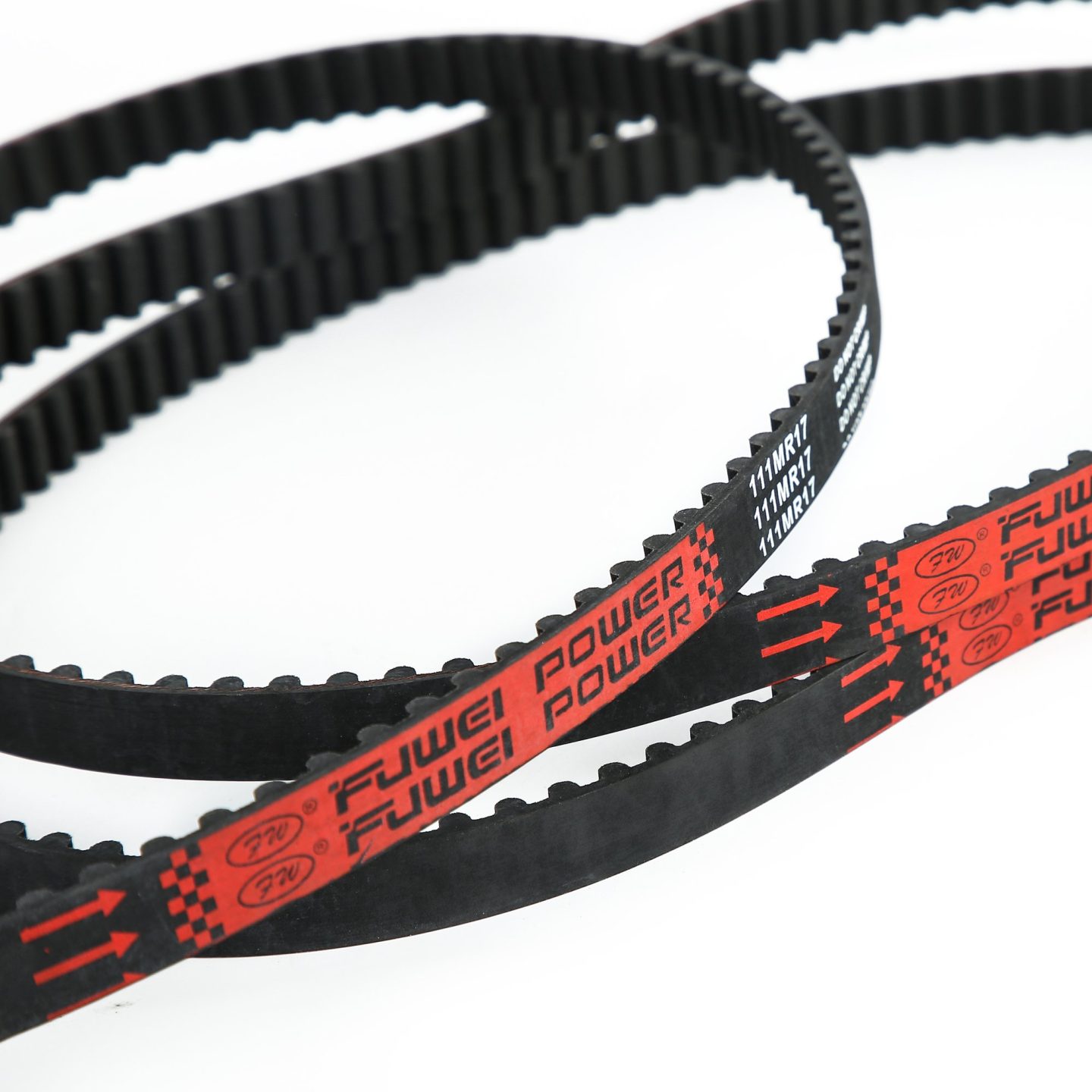
What serpentine belts, V-belts, and timing belts really need, and the outdated advice that can cost you an engine.
Most drivers don’t think about the belts under the hood until something starts squealing — or worse, until the engine overheats on the side of the road. Belts are cheap parts that do an expensive job. A worn serpentine belt can take out your alternator, power steering, and cooling at the same time. A failed timing belt can bend valves and wreck the engine. The good news: most belt failures are predictable if you know what to look for.
This guide covers the two belt systems found in almost every car, how long they really last, how to inspect them, and the common mistakes that shorten belt life.
First, Know Which Belt You’re Dealing With
Cars have two completely different belt systems, and the maintenance rules for each are not the same.
Accessory (drive) belts sit outside the engine and turn the parts that keep you moving and comfortable:
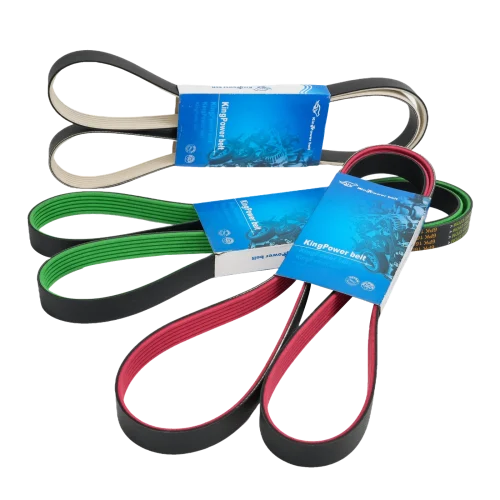
- The serpentine belt — one long ribbed belt that snakes around several pulleys to drive the alternator, power-steering pump, A/C compressor, and often the water pump.
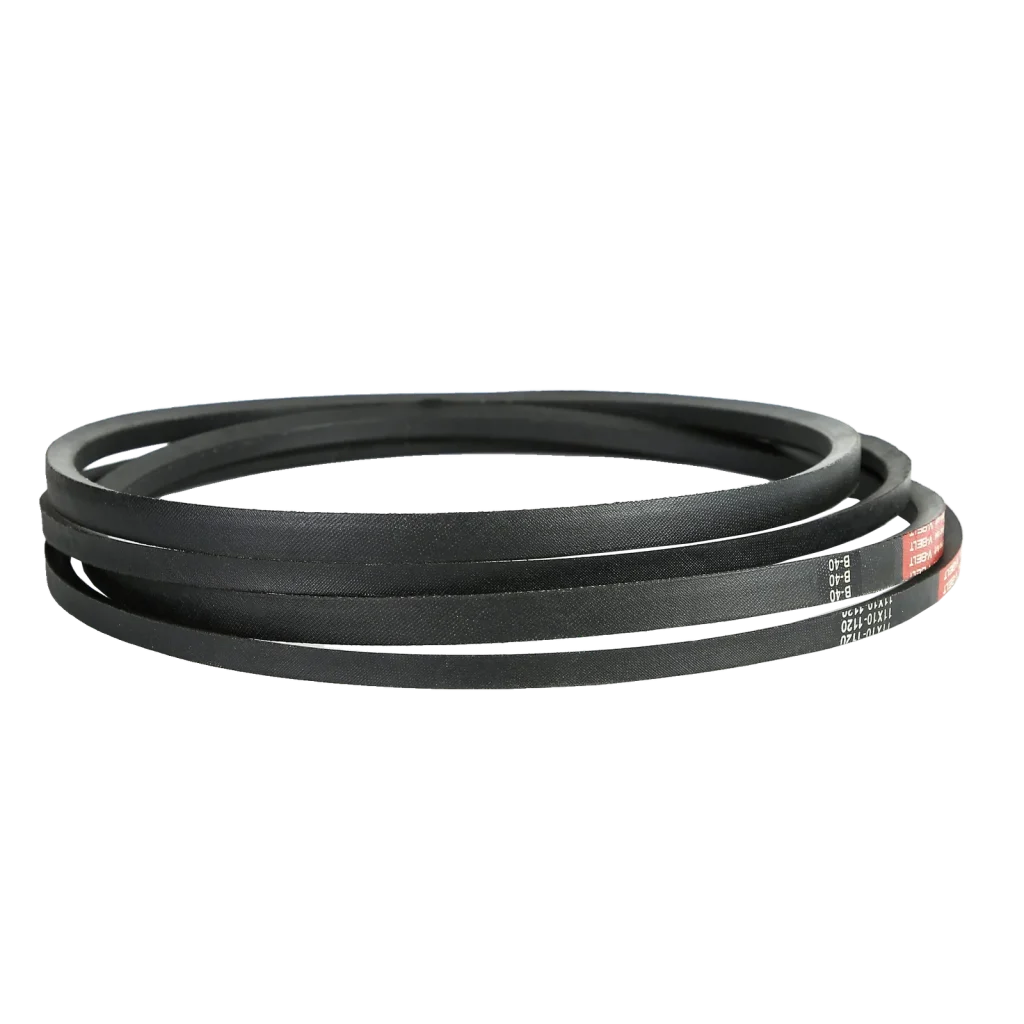
- Older cars may use separate V-belts, one per accessory.
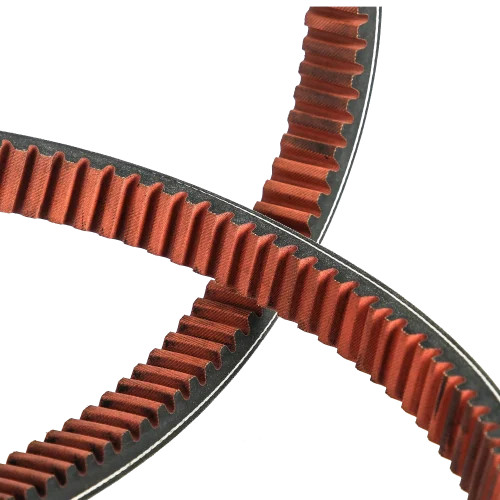
The timing belt lives inside the engine, behind a cover. It synchronizes the crankshaft and camshaft so the valves open and close at exactly the right moment. If it slips or breaks, the pistons and valves can collide. Many modern engines use a timing chain instead, which is lubricated by engine oil and generally lasts much longer — but chains are not maintenance-free either.
Why does the distinction matter? A serpentine belt failure is inconvenient and can leave you stranded, but a timing belt failure on an “interference” engine can destroy the motor. They also have very different replacement schedules.
How Long Do Belts Actually Last?
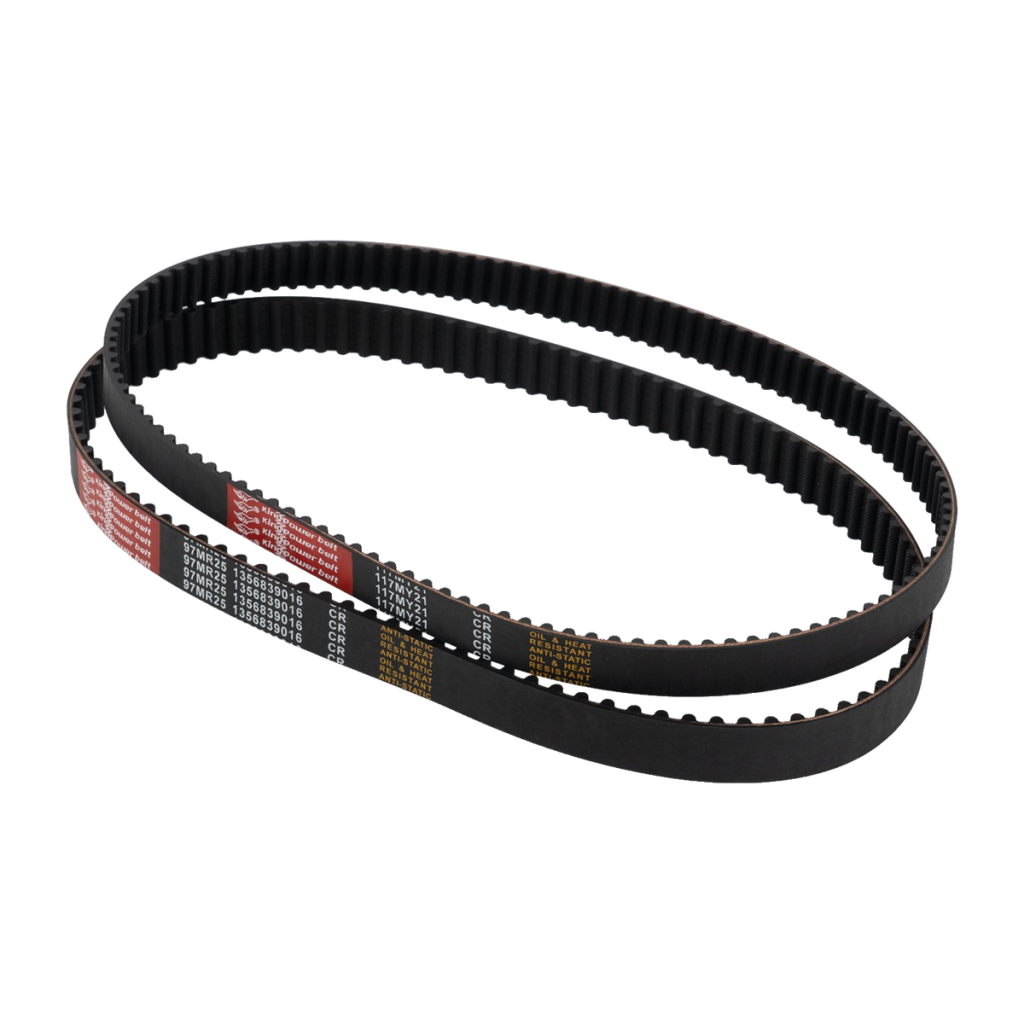
Forget “inspect and replace when it looks bad.” On modern belts, looks are misleading. The reliable approach is to follow a mileage-or-age schedule, whichever comes first.
| Belt type | Typical interval (miles) | Typical interval (km) | Or by age |
|---|---|---|---|
| Serpentine / accessory belt | 60,000–100,000 | ~100,000–160,000 | 5–7 years |
| Timing belt (dry) | 60,000–105,000 | ~95,000–170,000 | 5–7 years |
| Timing belt (long-life) | 90,000–120,000 | ~145,000–195,000 | 7–10 years |
These are industry norms, not a substitute for your owner’s manual. Some engines call for earlier changes; a few “wet” belt-in-oil designs run longer on paper but have caused trouble in practice. If you buy a used car and can’t confirm the timing belt was done, treat it as due.
Age matters as much as miles. Rubber hardens and the internal cords fatigue even when the car sits. A belt with only 40,000 miles but ten years under the hood can be just as risky as one that’s been driven hard. Severe use — towing, short trips, dusty or very hot climates, oil or coolant leaks — pushes the schedule earlier.
How to Inspect a Belt (Without Falling for the Cracks Myth)
Pop the hood, locate the belt, and look for:
- Glazing — a hard, shiny, heat-polished surface on the ribs. It means the belt is slipping and the rubber is hardening.
- Fraying or missing rib material along the edges.
- Rib separation — the V-ribs peeling away from the belt body. That’s structural failure.
- Misalignment — the belt riding off-center on a pulley.
- Tensioner and idler pulleys — any side-to-side wobble, grinding noise, or rough bearing feel means they’re due too.
Here’s the part most old advice gets wrong: for decades, the rule was “three cracks in three inches means replace it.” That applied to old neoprene belts. Almost every car built since the late 1990s uses EPDM rubber, which resists cracking. An EPDM belt can look perfectly fine and still be worn out, because it loses material from the ribs the way a tire wears down. Belt makers actually measure wear with a gauge that checks groove depth — not cracks. So on a modern belt, a clean visual check is not enough; follow the mileage/age interval and replace on schedule.
A good habit: glance at the belt at every oil change, but don’t trust looks alone. If the car is past its interval, replace it.
Warning Signs You Shouldn’t Ignore
- Squealing or chirping from the front of the engine, especially at startup or when the A/C kicks on. Usually slipping — worn belt, weak tensioner, or misaligned pulley.
- Battery warning light while driving — the alternator may be under-driven from a slipping belt.
- Heavy steering all of a sudden — power steering has lost assist.
- A/C stops blowing cold with no other symptom.
- Rapid overheating — if the water pump is belt-driven and the belt fails, coolant stops circulating within minutes. Pull over and shut off immediately.
The Belt Dressing Myth
If a belt squeals, the tempting fix is a can of belt dressing. Don’t. That stuff was made for old neoprene V-belts and is not approved by any modern belt manufacturer. On EPDM belts it can soften and swell the rubber, attract grit, contaminate pulleys, and hide the real problem — a worn belt or a failing tensioner. No belt maker recommends it.
For diagnosis only, a light mist of plain water from a spray bottle is safe: if the noise stops for a few seconds, the belt or alignment is the culprit; if it doesn’t change, the noise is a bearing. Water evaporates and leaves no residue. That’s the only liquid that belongs near a belt.
The real fix is mechanical: correct tension, proper alignment, and a fresh belt — plus the tensioner and idler pulleys while you’re in there.
Tension and Alignment Done Right
Most cars use an automatic tensioner that keeps pressure on the belt as it stretches. You generally shouldn’t need to adjust it — but you should replace it when the belt is changed, because tensioners wear out on roughly the same clock as belts. Same for idler pulleys.
If you have a manually tensioned belt (common on older cars and many industrial/equipment drives), the balance is real:
- Too tight loads the bearings in the alternator, pump, and tensioner, wearing them out early.
- Too loose lets the belt slip, glaze, and lose power.
On a timing-belt job, replace the belt, tensioner, idler pulleys, and often the water pump together. The water pump is frequently driven by the timing belt; doing it later means paying for the same teardown twice. It’s the standard, cost-effective way to do the job.
Keep the Belt System Clean
Oil and coolant are belt killers. A leak onto a belt softens the rubber and can shear the teeth (on a timing belt) or ruin grip (on a serpentine belt). If a belt is contaminated, degrease the pulleys and replace the belt — don’t try to clean it back to health. Also fix the leak; a new belt on a leaking engine won’t last.
Choosing the Right Replacement Belt
Not all belts are equal, and the difference shows up at 80,000 miles in the desert. When you replace one:
- Match the profile — correct width, rib count, and length for your application. A belt that doesn’t seat in the pulley grooves will slip from day one.
- Pick the right material — EPDM for most modern accessory drives; the spec your engine calls for on timing belts (often HNBR or similar high-heat compound).
- Buy from a source that controls quality — consistent compounding, cord placement, and dimensional accuracy are what keep a belt quiet and straight.
KingPower drive belts are built for automotive and industrial use — V-belts, timing belts, and poly-V (PK) belts made to match OEM profiles. If you’re specifying belts for a fleet, workshop, or equipment, getting the profile and compound right is the whole game.
FAQ
How often should I replace my serpentine belt?Most manufacturers suggest 60,000–100,000 miles or 5–7 years, whichever comes first. Check your owner’s manual.How often should I replace my timing belt?Commonly 60,000–120,000 miles or 5–10 years. It varies by engine; the manual is the authority. On interference engines, don’t go past it.Can I just look at the belt to see if it’s bad?On modern EPDM belts, not reliably. They wear by losing rib material, not by cracking. Follow the interval and use a wear gauge if you have one.Is belt dressing safe?No. It’s not recommended for modern belts and can damage them. Fix the cause instead.Should I replace the tensioner with the belt?Yes — tensioners and idler pulleys wear out around the same time. Replacing them together avoids a repeat job.My car has a timing chain, not a belt. Do I still need to worry?Chains last longer but aren’t forever. Listen for rattles at startup and keep up with oil changes; a stretched chain or failed tensioner still needs repair.
The Bottom Line
Belts are among the cheapest insurance on your vehicle. Know which system you have, follow the mileage-or-age schedule, don’t trust a casual look on modern belts, skip the belt dressing, and replace the related pulleys when you’re in there. Do that, and a $30 belt rarely turns into a $3,000 repair.