
A belt that quits at two in the morning costs you more than the belt. It costs the hour the line is down, the tech you pull off another job, and the shipment that leaves late. Nine times out of ten the belt was fine. The problem was how it was put on, how it was tensioned, or that nobody looked at it again. The good news is that the failures are predictable, and most of them are cheap to prevent.

1. Pick the belt that actually fits the job
This is where most premature failures are decided, before the machine even runs. Match the belt type to what the drive has to do:
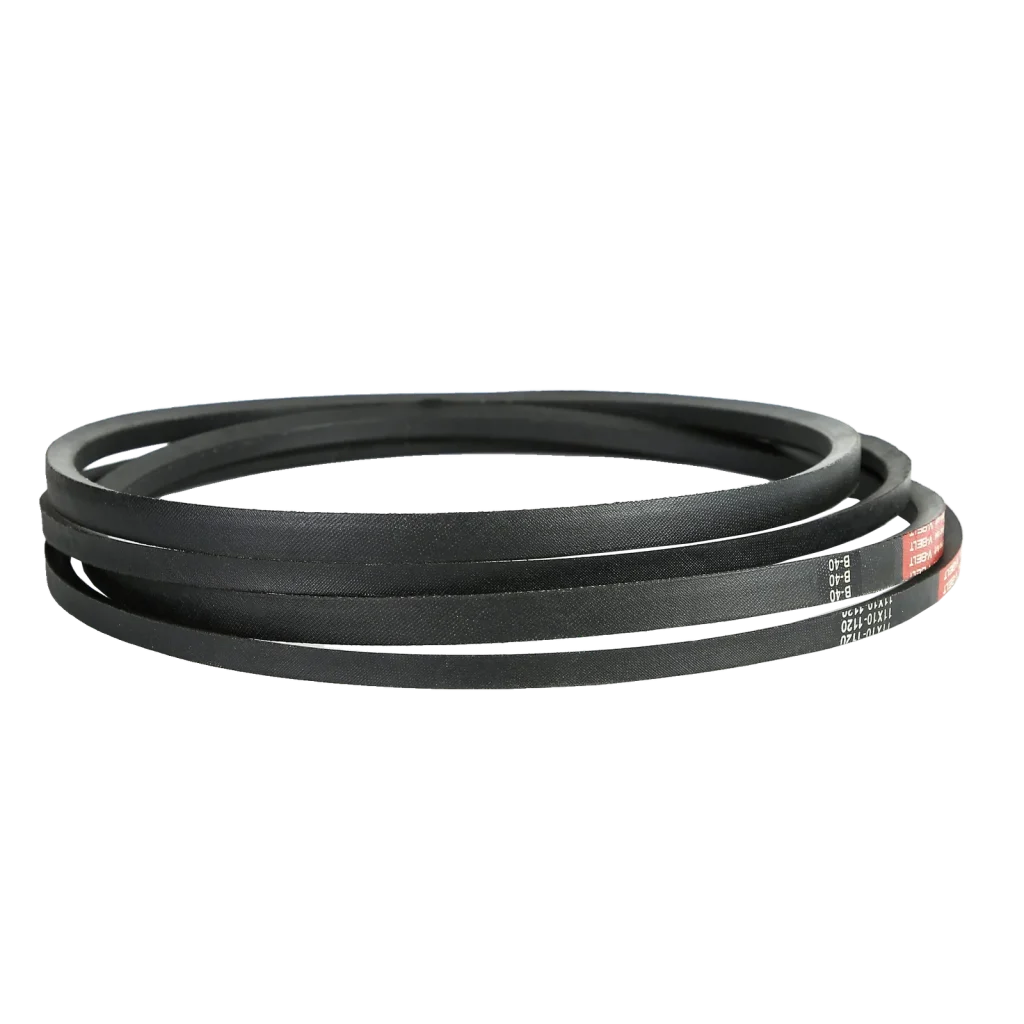
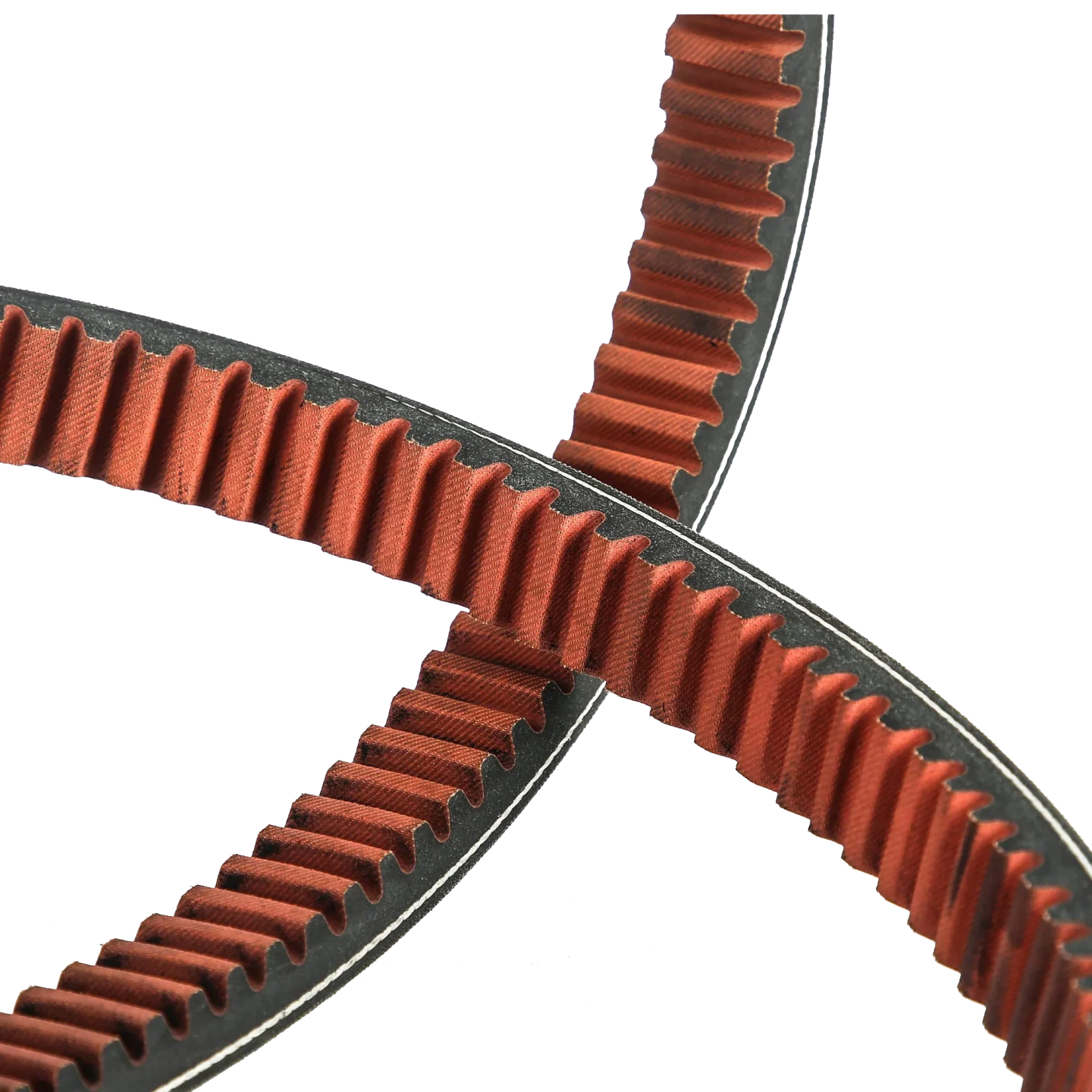
- Wrapped or cogged V-belts for general fractional to heavy power transmission. Cogged versions flex better on small pulleys and run cooler. See our cogged V-belt range.
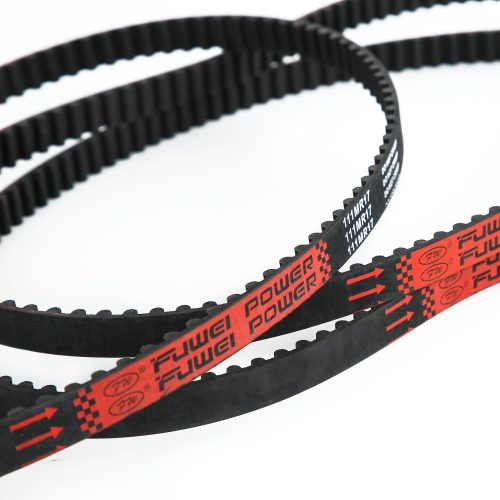
- Timing / synchronous belts when you cannot afford any slip and need the shafts locked in phase. See timing belts.
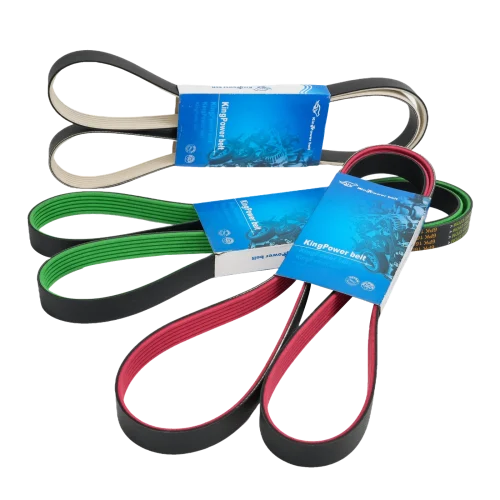
- Poly-V (multi-ribbed) belts for compact, high-rpm accessory drives like an engine front end. See Poly-V belts.
- Special belts for heat, oil, or food-grade needs. See special belts.
Then size it with the right service factor for load, speed, and duty. An undersized belt is loaded past what it was built for, and it will tell you by failing early. If you are not sure which profile and length you need, send us the pulley diameters, center distance, power, and rpm and we will size it. Read our belt failure analysis guide if you are replacing a belt that already failed.
2. Get the tension right
If you change only one thing, change this. Tension is the single biggest lever on belt life.
- Too loose: the belt slips. Slip makes heat, heat glazes and hardens the surface, and a slipping belt walks off the pulley. You lose power and you cook the belt.
- Too tight: you overload the bearings and stretch the internal cords. The belt rides hard, the bearings wear out early, and the cords fatigue and break. Over-tension shortens the life of the belt and the machine.
Use the manufacturer's tension spec, not your thumb. On a V-belt that usually means a deflection measurement or a tension gauge; on a timing belt it means a specified deflection with the correct span. New belts stretch in a little, so re-check tension after the first shift or two of running and touch it up once. After that, check on a schedule, not by ear.

3. Align the pulleys
Pulleys have to sit in the same plane. A small misalignment is enough to wreck a belt because the load lands on one flank instead of being shared across the whole rib or groove. You get edge wear, the belt walks to one side, it gets noisy, and the edges fray.
Check it with a straightedge laid across the pulley faces. If the faces are not coplanar, shim or reposition until they line up. On a fast drive, even a millimeter or two across the span matters. It takes minutes and prevents a failure that otherwise shows up weeks later.

4. Keep the belt and grooves clean
Oil and grease are the enemy of a rubber belt. They soften and swell the rubber, and what was a gripping surface turns into a slipping, rapidly wearing one. Wipe oil off pulleys as soon as you see it, and keep solvent and lubricant away from the belt path. That also means skipping belt dressing: the spray is a short-term stickiness that can glaze the surface and trap grit, and it never fixes the reason the belt was slipping in the first place.
Dust and abrasive grit act like sandpaper on the flanks, so guard the drive where the environment is dirty, and blow or wipe the grooves during scheduled maintenance. Our failure analysis guide walks through what contaminated and abraded belts look like.
5. Mind the pulley condition
The belt is only as good as the groove it runs in. A worn, glazed, or grooved-out sheave changes the contact geometry, so the belt slips and loads unevenly. Rust, burrs, or damaged flanges will cut a belt. Check grooves with a wear gauge and replace a worn pulley rather than fighting it with a new belt. Also respect the minimum pulley diameter in the belt spec: a pulley that is too small bends the belt sharply on every revolution, and that bending fatigue is what opens cracks at the base of the ribs.
6. Don't overload, and don't mix old and new
Stay inside the design load. Overload is just another word for extra heat and fatigue, and heat is what ages a belt fastest. If the drive is routinely slipping or the motor is near its limit, the answer is a bigger belt, an extra rib, or a different ratio, not a tighter one.
In a multi-belt drive, fit a matched set. A new belt next to stretched old ones carries most of the load because it sits higher in the groove, so it fails while the old ones look fine. Replace them together so they share the load and wear out together.
7. Store and inspect properly
Belts age even on the shelf. Rubber hardens and loses flexibility over time, especially near heat, sunlight, ozone (electric motors and welders are sources), or solvents. Store belts cool, dry, and dark, and use stock on a first-in-first-out basis so nothing sits for years. Don't hang V-belts on a small peg or hook, which distorts the shape; keep them in the original coil or hang them on a wide mandrel.
For inspection, tie it to running hours, not just the calendar. A five-minute look should cover:
| Check | What you are looking for |
| Tension | Deflection in spec; no squeal or slip marks on the pulley |
| Alignment | Pulleys still coplanar; belt tracking straight |
| Cleanliness | No oil, grease, or packed-in grit on belt or groove |
| Surface | No glazing, cracks (especially at rib bases), fraying, or missing chunks |
| Temperature | No hot spots; a belt that runs hot is slipping or overloaded |
On a critical drive, replace at the first sign of rib-base cracking rather than waiting for the break. A planned change during a stop is cheap; an unplanned one at full speed is not.

FAQ
How long should a power transmission belt last? There is no single number. A V-belt running at the right tension in a clean, moderate-temperature drive often runs for years and tens of thousands of hours. The same belt in a hot, dusty, misaligned, or overloaded drive can fail in months. Setup and environment decide the life far more than the belt brand does.
Can I use belt dressing to stop a slipping belt? Generally no. Belt dressing is a temporary patch that can glaze the surface or trap grit, and it does nothing about the real cause. Fix the cause instead: correct the tension, realign the pulleys, clean the oil off, or resize the drive for the load.
Should I replace one belt or the whole set in a multi-belt drive? Replace the set. In a multi-belt drive the belts share the load, and a new belt paired with stretched old ones carries most of it and fails early. Fit a matched set so they wear evenly.
How often should I check belt tension? Re-check tension after the initial run-in (many belts stretch a little in the first shift or two), then on a schedule tied to how critical the drive is, weekly to monthly, and any time you hear squeal, see heat, or find the belt has slipped on the pulley.
Does a more expensive belt always last longer? Not by itself. A better belt, with the correct material such as EPDM for heat and sound construction, helps, but only if it is the right type and is installed correctly. A modest belt on a well-set-up drive will outlast a premium belt on a badly aligned, over-tensioned one.