
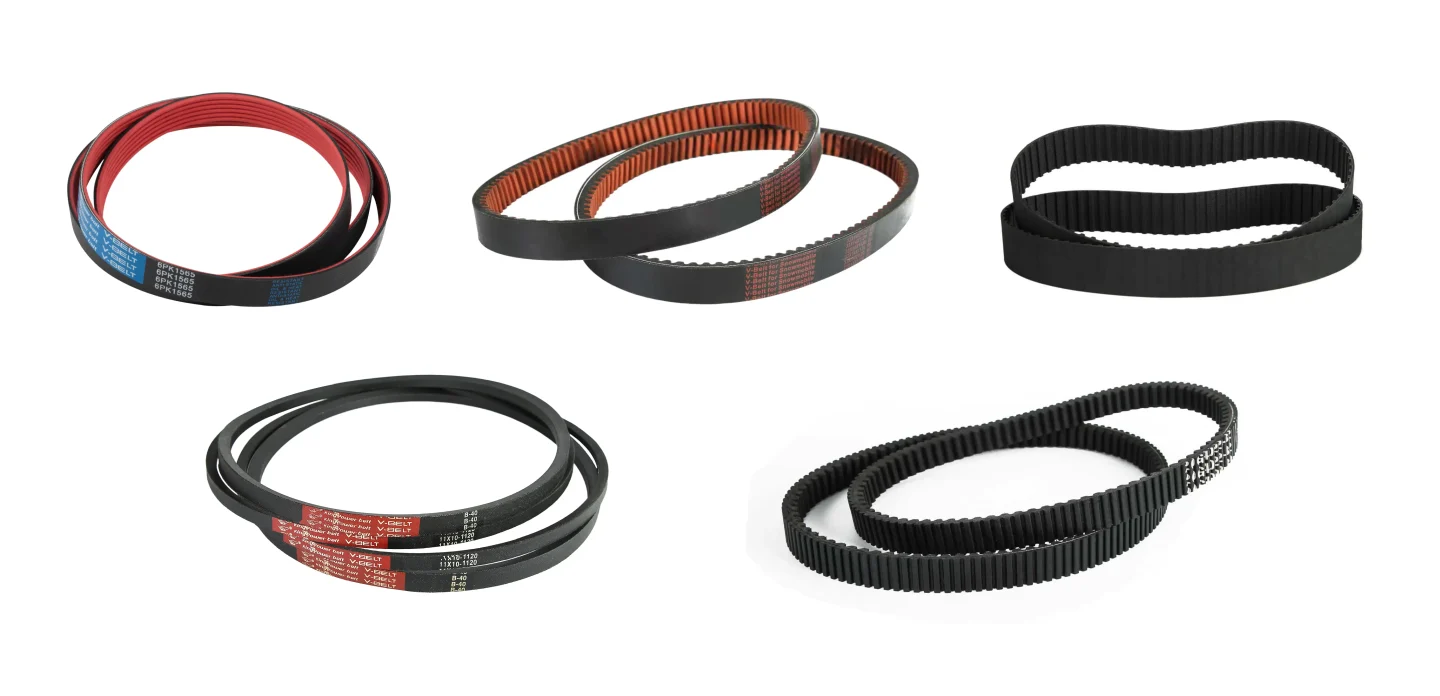
The transmission belt business rarely makes headlines, but 2026 has been a quietly busy year for it. Material science is moving faster than it used to, carmakers are rethinking what sits under a hybrid's hood, and buyers are getting squeezed by raw-material costs at the same time. If you spec, buy, or maintain belts, a handful of shifts this year are worth a closer look.
1. Advanced Materials Reshape Belt Durability
Start with what's actually inside the belt. Not long ago, glass-fiber cord was the safe, default choice. Now carbon-fiber cord is turning up in more demanding drives. It stretches less under load and holds pitch in timing applications, which matters once an engine is spinning at 6,000 rpm. The other move is graphene mixed into the HNBR compound. It pulls heat out of the rubber and trims friction, so the belt runs cooler and cracks later in a hot engine bay. Neither upgrade is cheap, but on a high-load line the payback usually shows up in fewer changeovers.
One honest caveat: better materials don't forgive a badly built belt. Cord placement, bonding, and cure quality still decide whether any of this survives contact with real-world abuse.
Carbon Fiber Tension Cords
Carbon fiber's selling point is simple — a lot of strength for very little weight. That keeps the belt from creeping out of spec under tension and lets it take repeated flexing that would fatigue glass or aramid cord sooner. For high-rpm automotive and precision industrial drives, that margin is the difference between a scheduled swap and an unplanned one.
Graphene-Reinforced HNBR
HNBR was already the go-to for heat and oil resistance. Layering graphene on top mainly fixes two things: it moves heat away from the surface and it lowers friction where the teeth meet the pulley. The belt stays quieter and lives longer. For a buyer, that tends to mean less downtime and a lower true cost per running hour.
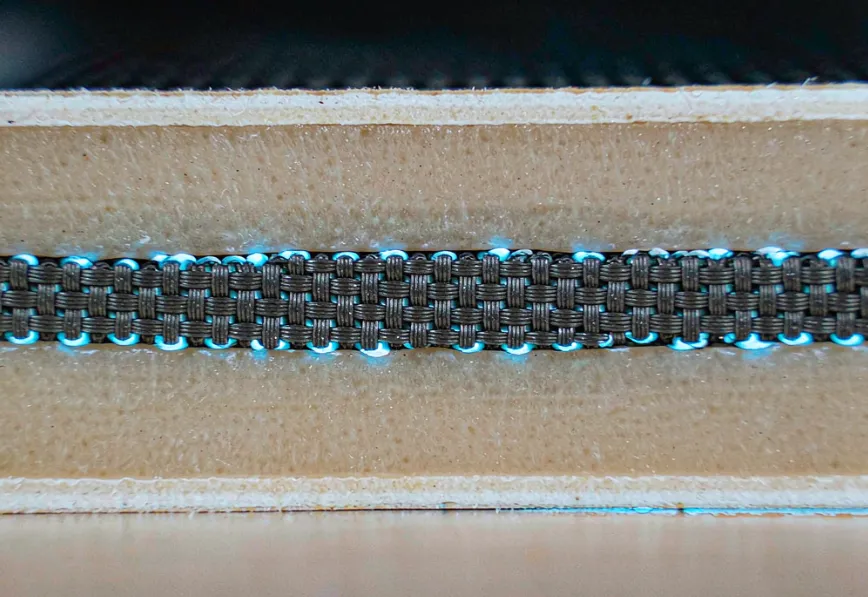
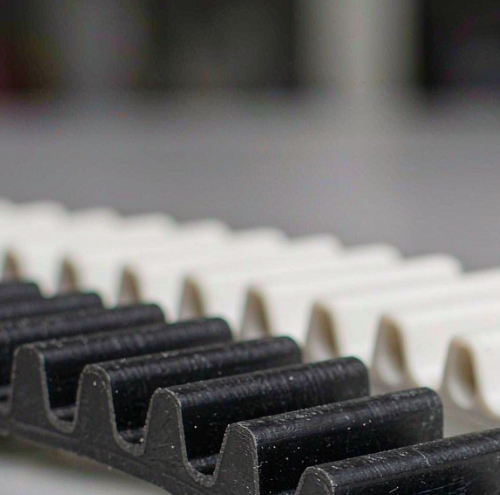
Macro view: carbon fiber tension cords embedded in graphene-reinforced HNBR rubber.
2. Hybrid-Specific & Smart Sensor Belts Emerge
Two belt types that sounded like trade-show concepts a few years ago are now actually shipping and finding buyers.
- Hybrid vehicle belts lead a different life than belts in a plain combustion car. The engine stops and restarts constantly, and the loads come in sharper bursts. Low-noise compounds and tuned tooth profiles keep the cabin quiet and the belt intact through all that cycling.
- Smart sensor belts carry a sensor or tag that watches tension, temperature, and runtime. Hook that to the plant network and a surprise breakdown becomes a calendar entry you can plan around. The catch is real, though: they cost more, and someone has to actually look at the data for it to matter.
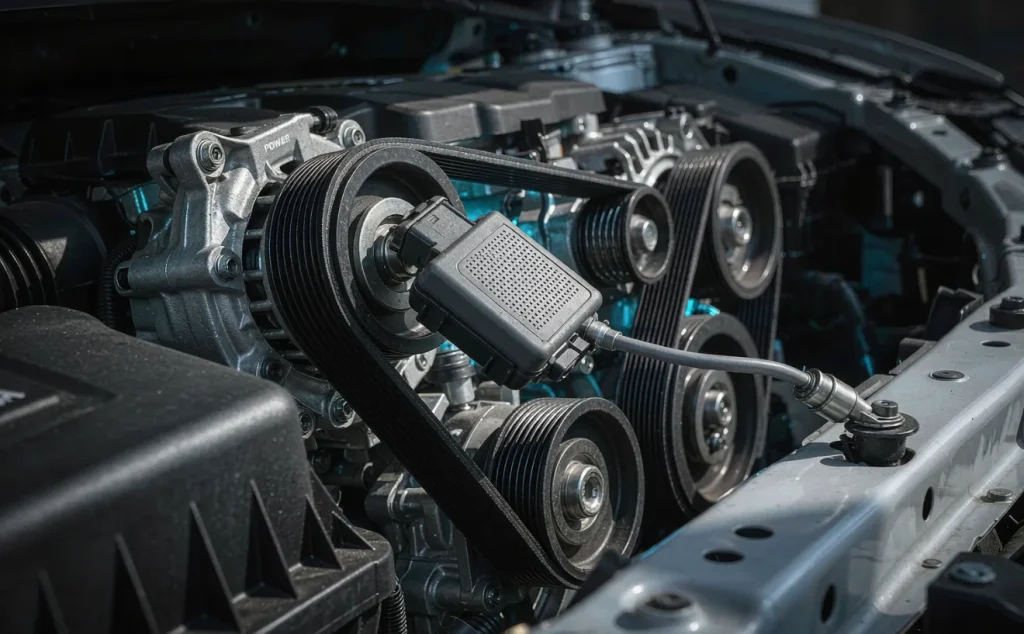
Hybrid drivetrain with an intelligent monitoring sensor on the serpentine belt.
3. Raw-Material Price Pressure & Cost-Effective Alternatives
Here's the uncomfortable part. Rubber, cord, and the various additives all climbed in price through 2025, and the big brands pushed 5–8% of that onto their lists this year. A lot of procurement teams have started shopping for alternatives that aren't the usual names, and some of them are genuinely good.
But "cheaper" and "good enough" aren't the same purchase. The belts worth having usually cost a little more up front and then stay quiet at 3 a.m. The way to tell them apart is boring but effective: buy from a supplier who'll show you the material spec and the test data, not just a glossy catalog.
4. Sustainability & Green Manufacturing
Green isn't only a brochure word in this category. Buyers in the EU especially are asking for recycled reinforcement, halogen-free compounds, and cleaner curing processes. If your supplier can show the certification and trace the material back to source, tenders get noticeably easier. If they can't, that gap is a risk that only grows as rules tighten.
5. Digitalization & Predictive Maintenance
Zoom out from the belt itself and the quietest upgrade is how shops track them. QR codes on a batch, inspection notes on a phone, sensor readings on a dashboard. It sounds like admin until a line goes down and you realize the belt was flagged as tired two weeks earlier. That shift, from "replace when it breaks" to "replace when the data says so," is where a lot of the 2026 savings actually live.
How to Choose a Reliable Transmission Belt Supplier
- Ask for the material spec. HNBR grade, cord type, test reports. If a supplier hesitates, that's your answer.
- Check the certs that match your use. Automotive wants ISO 9001 / IATF 16949; other sectors have their own. A certificate isn't a guarantee, but its absence is a signal.
- Run a sample under your conditions. Real load, real speed, real temperature. Lab numbers lie less when the belt is on your machine.
- Value a broad catalog. One partner covering timing belts, V-belts, and the odd special belt means fewer vendor logins and fewer finger-pointing sessions when something doesn't fit.
- Weigh support like price. Drawing help, OEM/ODM, and a human who replies after the sale matter as much as the unit cost.
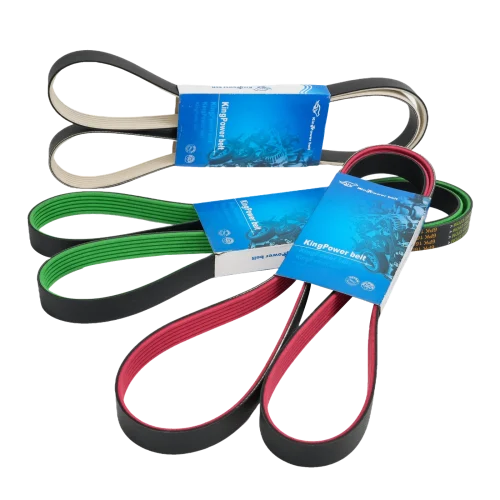
We cover timing belts, V-belts,and Poly-V ribbed belts,or contact us for OEM/ODM support.
FAQ — Frequently Asked Questions
Q: Which 2026 trend actually matters if I only change one thing? A: Get the material spec in writing. Carbon-fiber cord and graphene HNBR are where most of the real durability gains are coming from this year.
Q: Are the non-brand alternative belts safe to buy? A: Some are excellent and some are junk — the name on the box tells you little. Ask for the compound data and run a sample under your load before you commit a whole line to it.
Q: Do smart sensor belts pay for themselves? A: On a line where an hour of downtime is expensive, usually yes. On a small, low-risk setup, the sensor cost and the effort to actually use the data often aren't worth it. Be honest about which one you're running.
Conclusion
So if you're buying belts in 2026, the edge goes to whoever plans a little earlier. Ask for the better compound, take the hybrid and smart options seriously where they fit, and pick a supplier you can actually verify. The "right" belt is the one that fades into the background and lets you get on with the rest of the job.
Ready to upgrade your belt specification? Contact our engineering team for samples and OEM/ODM support.